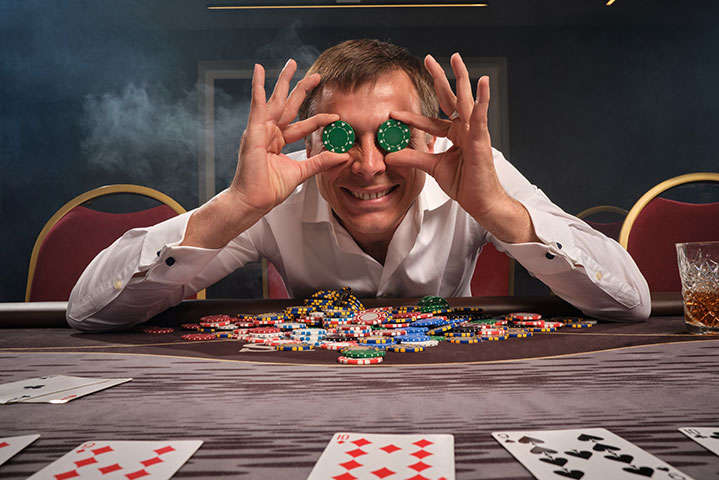
The psychology of risk Understanding emotional responses in gambling
Understanding the Nature of Risk in Gambling
The concept of risk is central to gambling, encompassing the uncertainty associated with the outcome of bets. Gamblers often find themselves drawn to the thrill of potentially losing or winning, which creates a complex emotional landscape. For those looking for thrilling experiences, the best online casinos provide an exciting platform that heightens this interplay between risk and emotion, stimulating various psychological responses that can significantly influence behavior.

Risk-taking in gambling is often fueled by a desire for excitement. Many gamblers experience heightened emotions such as anticipation and anxiety, which can create a sense of euphoria when they win. Conversely, the emotional fallout from losing can lead to feelings of regret or despair. Understanding these emotional responses is crucial for both gamblers and those looking to help them navigate their gambling behaviors.
The Role of Emotion in Decision-Making
Emotions play a vital role in decision-making processes, particularly in environments where uncertainty is prevalent, such as casinos. Gamblers often rely on emotional cues rather than rational analysis when making betting decisions. This reliance can lead to biases that impact their judgment, such as the illusion of control, where players believe they can influence random outcomes.
Moreover, emotions can cloud judgment, prompting individuals to chase losses or make impulsive decisions. This phenomenon occurs frequently in gambling settings, where heightened emotional states can exacerbate poor choices. By recognizing how emotions influence decision-making, individuals can develop better strategies to manage their gambling behavior.
The Psychology of Winning and Losing
The psychological impact of winning and losing in gambling can be profound. Winning often triggers a surge of positive emotions, reinforcing the desire to continue playing. This can create a feedback loop where the gambler feels invincible and continues to take risks in pursuit of further victories. However, the thrill of winning is often accompanied by the shadow of impending loss.
Conversely, losing can have a detrimental effect on a gambler’s mental state. It may lead to feelings of frustration and hopelessness, prompting some to gamble more in an attempt to recover losses. Understanding the psychological ramifications of both outcomes is essential for developing healthy gambling habits and recognizing when professional help may be necessary.
Impacts of Environment on Gambling Behavior
The environment in which gambling takes place significantly influences emotional responses and decision-making. Factors such as lighting, sound, and social interactions can create an atmosphere that heightens excitement and encourages risk-taking behavior. Casinos are designed to maximize this effect, often leading to an immersive experience that blurs the line between reality and the thrill of gambling.
Additionally, social dynamics play a crucial role. The presence of peers can amplify emotions, making the experience more exhilarating but also potentially more reckless. Understanding how environmental factors shape emotional responses can help gamblers become more mindful of their surroundings and the impact they have on their decisions.

Conclusion: Navigating Emotional Responses in Gambling
Understanding the psychology of risk and emotional responses in gambling is essential for both gamblers and those seeking to support them. By acknowledging the emotional triggers and biases at play, individuals can make more informed decisions and develop healthier gambling habits. Knowledge about these psychological dynamics can empower gamblers to recognize when their emotions are influencing their behavior negatively.
As awareness grows around the impacts of gambling on mental health, it is vital to access resources that can provide guidance and support. Whether through educational platforms, counseling, or community support, those affected by gambling can find pathways to healthier relationships with risk and decision-making.